
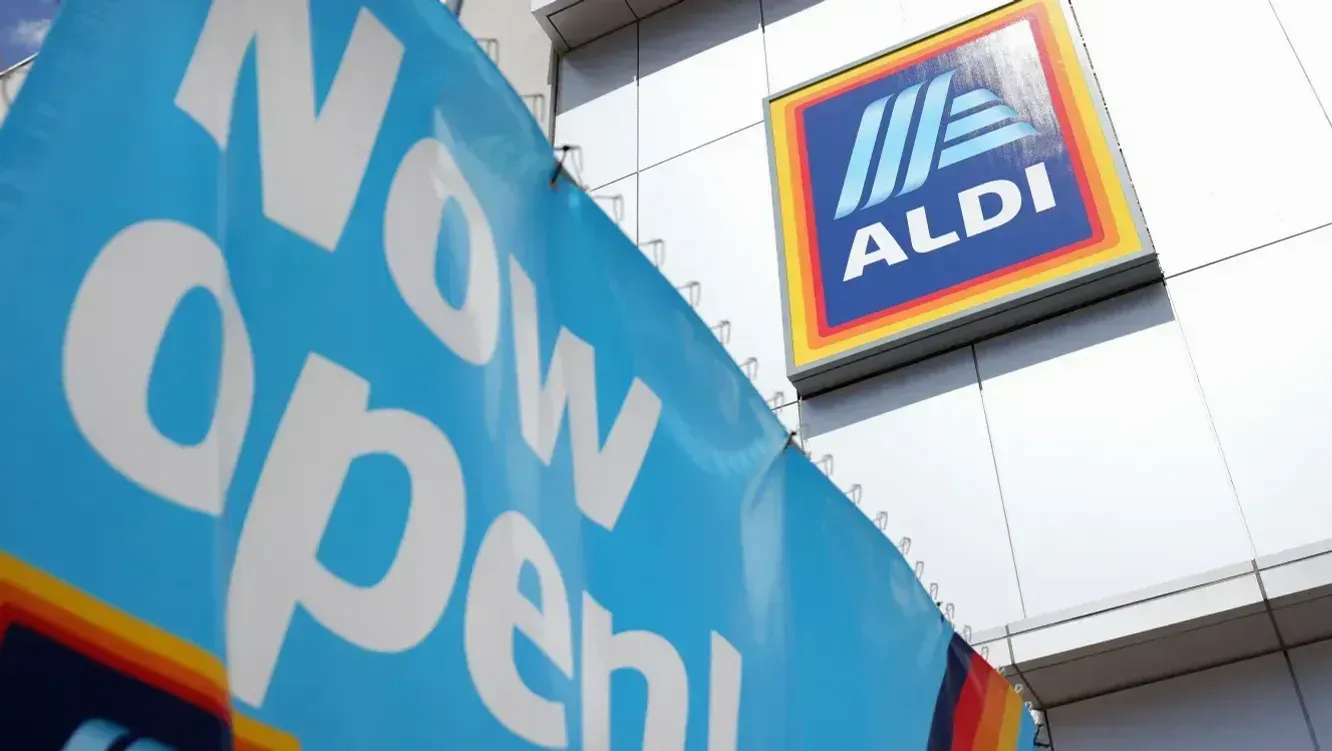
For many first-time visitors, stepping into an Aldi feels less like a premium shopping experience and more like a trip back to basics. The stores are intentionally modest, lacking background music and featuring produce displayed in the same cardboard shipping boxes they arrived in. While some might describe the atmosphere as shabby, this minimalism is actually a calculated strategy designed to strip away every unnecessary expense, allowing the company to pass those savings directly to the consumer.
The results of this lean approach are becoming impossible for competitors to ignore. As inflation drives up food costs across the board, Aldi has emerged as one of the fastest growing grocery chains in America, frequently matching or undercutting prices at giants like Walmart. Their influence is so significant that traditional grocers such as Kroger and Wegmans have been forced to lower their own markups in regions where discount German retailers move in, proving that Aldi isn’t just competing in the market but actively reshaping it.
Unlike big box stores that rely on massive warehouses and sheer volume to drive down costs, Aldi uses a different set of tools to maintain its edge. A cornerstone of their model is a heavy reliance on private labels; over eighty percent of their inventory consists of store brands that mimic famous name brand products without the associated marketing premiums. By selling their own version of chocolate sandwich cookies or crackers instead of paying a third party markup, they eliminate several layers of cost before the product ever reaches the shelf.
Beyond branding, Aldi maintains strict discipline regarding its inventory. Rather than offering ten different types of olive oil or various sizes of rice, they carry a highly curated selection of essentials. This limits waste from spoiled goods and reduces the amount of real estate required for shelving and storage. While shoppers may occasionally need to visit another store for specialty items, they find that for the daily staples, there is simply no better deal.
This utilitarian philosophy is balanced by a touch of unpredictability that keeps customers coming back even when times are good. The famous middle aisle features a rotating cast of random treasures ranging from kitchen gadgets to imported German treats, adding an element of discovery to an otherwise efficient routine. By blending extreme operational frugality with occasional whimsy, Aldi has turned a stripped down shopping experience into a powerful weapon against rising grocery bills.